Lawn Disease Fungus
Lawn disease and fungus can quickly damage turf, leaving thin, discolored patches and stressed grass in Nashville and Middle Tennessee. Most lawns are susceptible to common fungi such as Brown Patch, Dollar Spot, and Leaf Spot, especially during humid, warm months. Our professional fungicide programs prevent, diagnose, and treat lawn disease so your yard stays healthy, green, and resilient all season long.
Many diseases occur on turfgrasses in the Nashville and Franklin area and virtually all lawns will be infected with some type of lawn disease fungus. Throughout Middle Tennessee the most common fungi or lawn diseases are: Brown Patch, Dollar Spot and Leaf Spot. The severity of damage and repeat occurrences can be controlled with fungicide treatments.
Free water on leaves and grass blades with optimum temperatures create an environment for most fungi to cause disease and damage. We live in an area where humidity plays a key role for spreading most fungi causing brown patch and leaf spot diseases. Many times the symptoms and presence of a disease are thought to just be drought or heat stress, this is a very common and costly mistake. It will not get better with additional watering, in fact, it could get much worse. Summertime is when most fungus growth causes damage.
We recommend being proactive because the chances of getting a lawn disease in our area is very high. Timing is very important when controlling a lawn disease. No worries, we know exactly what to do and when to do it! A broad spectrum fungicide can control most fungus that cause lawn disease.
If you are not on our summer preventive treatment plan we can treat when symptoms are first noticed, but we must identify and treat rapidly. Many symptoms happen in the summer months and can be mistaken with the untrained eye to appear like drought or heat stress. Damage done by lawn disease cannot be reversed, but we can stop the disease from spreading and help to rebuild turf. We will be happy to identify, diagnose and treat your lawn if necessary.
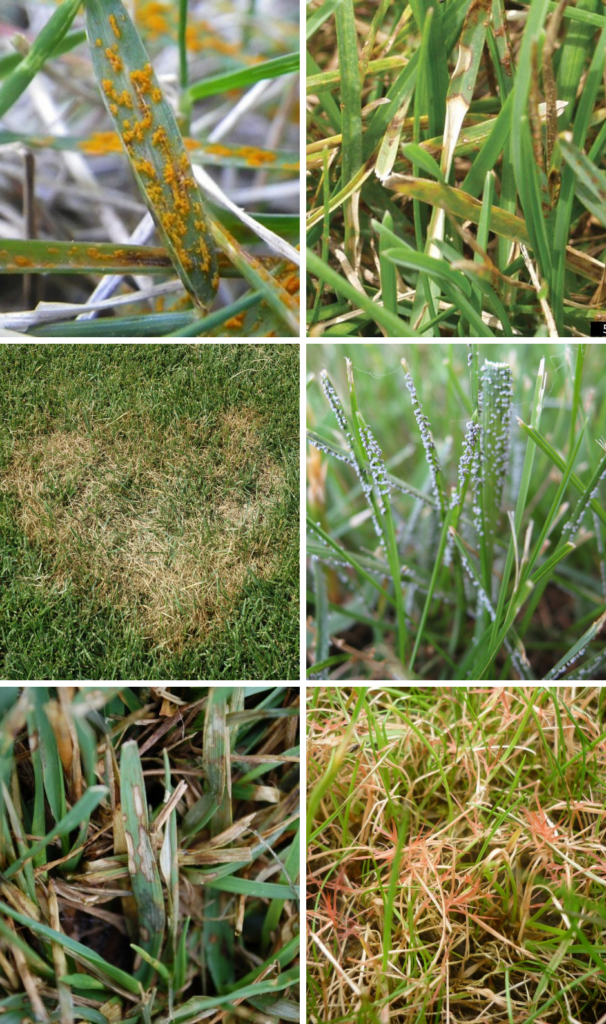
Signs and symptoms to be on the lookout for:
- Rapidly dying grasses in circular patterns
- Lesions on the grass blades
- Red or yellowing flecks causing your grass to look sick
- White-to-gray, powdery growth that turn yellow and die
You can start your lawn care treatment program for fertilization and weed control at any time of the year. Ready to get started? Review our lawn care plans now or request a free estimate.
What to Expect
Our lawn disease program combines proactive monitoring, precise application, and effective fungicides to protect your turf. Treatments are designed to stop fungal growth, prevent spread, and maintain healthy root systems. You’ll notice improvements in color and turf density within a few weeks, while continued monitoring keeps your lawn resilient throughout the season. All applications are safe for children and pets when applied professionally.
Why it Matters for Your Lawn
Lawn fungi feed on grass tissue and weaken root systems, leading to thin, discolored turf and long-term damage if untreated. Middle Tennessee’s warm, humid climate makes lawns particularly susceptible during spring and summer. Professional fungicide treatments stop disease before it spreads, preserve root strength, and maintain thick, healthy turf year-round, reducing the risk of permanent lawn damage.
Get a Free Lawn Care Estimate Emailed to You
Lawn Disease Treatment FAQs
Have questions?
We have answers.
What causes lawn fungus in Nashville, TN?
Lawn fungus in Nashville is commonly caused by excess moisture, humidity, poor drainage, and high summer temperatures. Middle Tennessee’s warm climate creates ideal conditions for turf diseases like brown patch and dollar spot.
What are common lawn diseases in Middle Tennessee?
Some of the most common lawn diseases in the Nashville area include brown patch, dollar spot, leaf spot, and powdery mildew. Each disease affects turf differently and requires targeted treatment.
How do I know if my lawn has a fungal disease?
Signs of lawn fungus include circular brown patches, thinning grass, discoloration, or spots on blades. If untreated, fungal issues can spread quickly during humid weather.
When is the best time to treat lawn fungus?
Fungus treatments are most effective when applied at the first sign of disease. Preventative treatments may also be recommended during peak humidity seasons in Nashville.
Can a diseased lawn recover?
Yes. With proper fungicide treatment and improved lawn care practices, most turf can recover. Early detection and professional treatment help prevent long-term damage.